
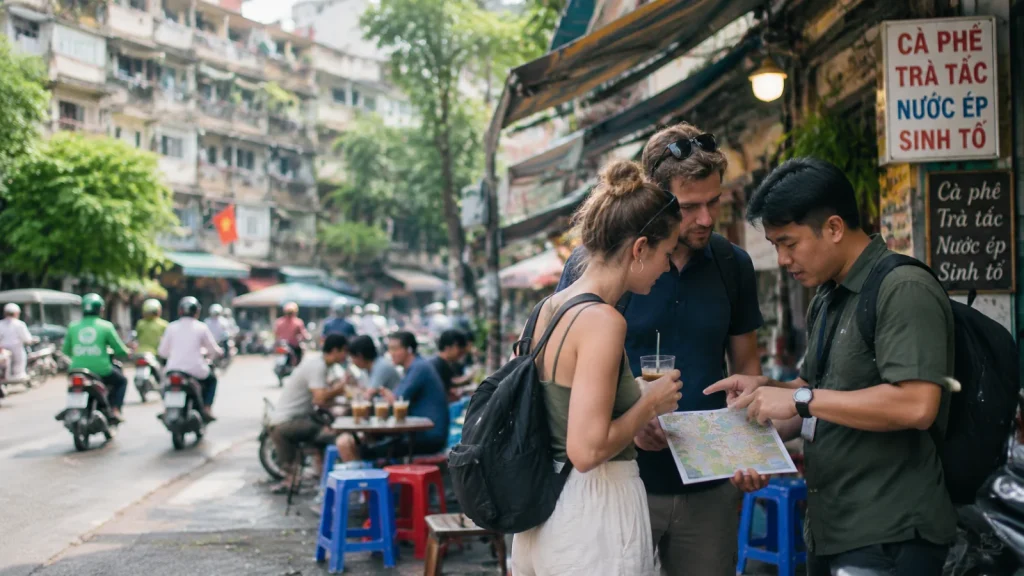
Most people opening a Ho Chi Minh City travel guide want the real Saigon playbook, not recycled advice. If you are landing here for street food, old-school history, rooftop nights, or a first Vietnam trip, the hardest part is not the city itself, it is knowing where to start without wasting time or money. This intro gives you the fast, useful route.
Think of Saigon as a city that moves fast but rewards smart planning. The best way to enjoy it is to balance local neighborhoods, easy transport, and a few must-do experiences that fit your style, whether you travel solo, as a couple, or with family. Use this guide to avoid rookie mistakes while keeping the trip fun and flexible.
Ho Chi Minh City is best explored by choosing one main district, using Grab or taxis for short hops, and mixing heritage stops with street food and local nightlife. First-time visitors save time by staying near District 1 or District 3, while adventurous travelers can add hidden cafes, markets, and alleyway food spots.
Before you lock in your route, compare the city experience by travel style:
| Criteria | District 1 | District 3 | Thao Dien |
|---|---|---|---|
| Best for | First-time sightseeing and easy access | Local feel with cafes and heritage | Relaxed stays, expats, and riverside dining |
| Travel vibe | Busy, central, convenient | Walkable, balanced, less chaotic | Calmer, international, spacious |
If you want the easy win, stay central, eat where locals queue, and keep your schedule light enough for surprises. A good next read is our Saigon food guide, once you understand the city layout, because the best Saigon trip is usually the one that leaves room for one unexpected alleyway café, one street-side bowl of noodles, and one sunset you did not plan for.
What to Know Before Visiting Ho Chi Minh City
Planning a trip to Ho Chi Minh City starts with one simple reality: this city moves fast, stays loud, and rewards travelers who plan smart. If you want local energy, street food, hidden alleys, and a real city pulse instead of a polished postcard, Ho Chi Minh City delivers that kind of chaos in the best possible way.
For first-time visitors, the biggest pain point is not what to see, but how to shape the trip so it feels manageable. The city is spread across districts, traffic can be intense, and the best experiences are often tucked inside small streets, apartment buildings, or neighborhood cafes. That is why timing, base location, and a flexible plan matter more here than a rigid itinerary.
Where Ho Chi Minh City Fits in Vietnam Travel
Ho Chi Minh City is Vietnam’s southern gateway, and it works well as both a first stop and a final stop. Compared with Hanoi, the vibe is warmer, faster, more commercial, and more spontaneous. District 1 gives you the classic city rush, while areas like District 3 and Thao Dien bring a more local rhythm with cafes, galleries, and backstreet food spots. If your style is adventurous, this is where the city starts feeling real.
A smart first-time route is simple: spend one day on the main highlights, one day on local neighborhoods, and one evening on food or rooftop views. That balance helps couples, solo travelers, and families avoid burnout while still getting the full Saigon effect. If you have time for a second city, read our Da Nang food guide before you fly north.
| Criteria | District 1 | District 3 | Thao Dien |
|---|---|---|---|
| Best for | First-time sightseeing and easy access | Local streets, cafes, and relaxed walking | International feel and slower pace |
| Travel style | Fast, central, busy | Balanced and neighborhood driven | Calm, upscale, family friendly |
Best Time to Visit, Weather, and Trip Length
The best time to visit Ho Chi Minh City is the dry season from December to April, when sightseeing, cafe hopping, and evening street walks are easier. The rainy season from May to November does not ruin the trip, but it does change the rhythm. Expect short heavy showers, humid afternoons, and the need to plan around weather instead of fighting it.
For most travelers, 3 to 4 days is the sweet spot. That gives enough time for local food, a museum or two, a market visit, and one slow afternoon to just watch the city from a cafe. If you only have 2 days, keep it tight. If you have 5 days or more, add a day for deeper neighborhood wandering or an evening on the back of a local rider’s motorbike, which feels more local than standard sightseeing.
When to go and how long to stay: Ho Chi Minh City is best visited from December to April, when the weather is drier and easier for walking. Most travelers should plan 3 to 4 days to cover food, culture, and neighborhoods without rushing. Rainy season is still travel friendly, but it needs flexible timing and indoor backup plans.
Local tip: the city is not hard to enjoy, but it is easy to overpack. Keep your schedule loose, stay near the center, and let the district you choose shape your day.
If you want a trip that feels local, efficient, and a little wild in the right way, start with the right season and a realistic number of days. That is how Ho Chi Minh City becomes more than a stopover and turns into the part of Vietnam you remember most.
For travelers who want the city handled with local insight and less guesswork, choosing the right pace from day one makes all the difference. Build around neighborhoods, not just landmarks, and you will get a sharper, more memorable Saigon experience.
How to Explore Ho Chi Minh City Like a Local
Exploring Ho Chi Minh City like a local comes down to one simple rule: move like the city moves, not like a packaged tourist. Saigon is fast, messy, warm, and wildly fun when you understand the rhythm. The good news is that getting around is easy once you know which transport fits each moment, which districts feel most local, and how to plan a day without wasting time in traffic.
For first-time visitors, the challenge is not distance, it is flow. Streets can look close on a map but feel very different in real life because of heat, scooters, and one-way routes. If you want an adventurous trip that still feels smooth, build your day around short hops, local breakfast spots, afternoon coffee breaks, and a smart return plan before sunset.
The easiest way to explore Ho Chi Minh City like a local is to use Grab for most cross-town trips, walk inside compact districts, and save motorbike rides for short neighborhood moves. Focus on District 1, District 3, District 5, and Thao Dien for the best mix of local food, culture, and daily city life.
Getting Around: Taxi, Grab, Motorbike, and Walking
Grab is the cleanest choice for most travelers because it removes language stress, price guessing, and street haggling. Use it for airport transfers, rainy afternoons, late dinners, and cross-district moves. A licensed taxi is also fine, especially for families or travelers with luggage, but always check the meter and keep your route visible on your phone.
Motorbike is the true local vibe, but it works best for confident riders or short rides with a driver. It is the fastest way to cut through traffic and feel the energy of Saigon up close. Walking is ideal in compact pockets like District 1 around Nguyen Hue, District 3 near old cafes, or the alleyways around local markets where the best discoveries happen between corners.
| Criteria | Grab | Taxi | Walking |
|---|---|---|---|
| Best for | Most cross-city rides | Families and luggage | Local streets and alleys |
| Main benefit | Easy app booking | Direct point to point | Best local detail |
Local tip: in Saigon, time is often lost by changing vehicles, not by the ride itself. That is why locals combine one Grab trip with one walking zone instead of bouncing around all day.
If you want a smoother route, plan your city day by district cluster instead of by attraction list. That simple shift can save hours and turn a crowded schedule into a real local experience.
Top Districts, Daily Flow, and Real Traveler Routine
District 1 is the easiest starting point because it connects heritage sites, coffee stops, and nightlife in one area. District 3 feels more lived in, with leafy streets, old apartments, and quieter cafes. District 5 brings Chinese-Vietnamese heritage, strong food culture, and a more traditional local pace. Thao Dien in District 2 suits travelers who want a relaxed riverside mood, boutique cafes, and a softer break from the city rush.
A good daily flow is breakfast in District 3, culture in District 1, lunch in District 5, then sunset coffee or dinner in Thao Dien if you still have energy. For deeper local discovery, keep one flexible slot open for a market, a small museum, or a hidden alley cafe. To fit meals into that flow, see what to eat in Saigon by time of day.
For adventurous travelers, the best routine is simple: start early, rest at noon, move again after 3 pm, and avoid forcing too many districts into one day. Families usually do better with two zones only, while solo travelers and couples can mix walking with short Grab rides for more spontaneity. That is how you feel Saigon without burning out.
The city opens up fast when you stop chasing landmarks and start following local rhythm. Use the right ride, choose the right district, and Ho Chi Minh City becomes less of a stopover and more of a story you actually lived.
Best Things to Do in Ho Chi Minh City
If you are planning your days in Ho Chi Minh City, the smartest way to enjoy the city is to split your time between big-name landmarks and the local rhythm inside the alleys, markets, and late-night streets. Ho Chi Minh City moves fast, so first-time visitors often waste time zig-zagging without a plan. The fix is simple: start with the historic core, then follow the food, coffee, and nightlife trail by district.
This city works best for travelers who want real life, not polished sightseeing only. Couples can mix rooftop drinks with sunset walks, solo travelers can explore safely with ride-hailing apps, and families can keep the pace flexible with short hops between stops. The best experiences here feel local, energetic, and easy to combine in one day, especially if you know where to look.
In short: the best things to do in Ho Chi Minh City combine French colonial landmarks, war history, local markets, coffee culture, street food, rooftop bars, and hidden alley experiences. Focus on District 1 for iconic sights, District 3 for culture, and District 5 for Chinese-Vietnamese food and heritage.
For classic sightseeing, begin in District 1 where the citys core landmarks sit close together and are easy to cover on foot or by short rides. The Reunification Palace, Central Post Office, and Notre Dame Cathedral give you the colonial and postwar layers that shape the citys story, while the War Remnants Museum adds essential context. If you want a smoother route, pair these with a half-day city walk instead of rushing between random stops.
A local tip: the best photo moments are often not the biggest attractions, but the streets between them. Look for scooters passing old facades, office workers grabbing iced coffee, and tiny family shops tucked under apartment blocks. If you want to understand the city beyond the postcard layer, District 3 and District 5 are where the pace feels more real, with temples, shaded streets, and neighborhood life that still runs on daily routine, not tourism.
| Criteria | District 1 | District 3 | District 5 |
|---|---|---|---|
| Main appeal | Major landmarks and first-time sightseeing | Colonial streets, museums, and local coffee spots | Chinatown heritage, temples, and traditional food |
| Best for | Short stays and easy orientation | Walkable exploration and slower travel | Food lovers and culture focused visitors |
When it is time to eat, skip only the obvious tourist traps and follow the local crowd into street stalls, small noodle shops, and busy market edges. One bowl of pho, one banh mi, and one iced ca phe sua da already tell you more about the city than a full day of generic cafes. If you want a guided deep dive into what locals actually eat, compare our Saigon food tours by time of day and price.
Markets are another key part of the experience. Ben Thanh is famous, but the more rewarding move is to balance it with smaller neighborhood spots where vendors sell fruit, snacks, herbs, and daily essentials to residents. In the afternoon, join the cafe culture in a third-wave coffee shop, then keep moving into the evening for rooftop bars, craft beer, or a casual night walk. The city does not slow down, it simply changes flavor.
For nightlife, choose the mood before you choose the venue. District 1 is best for skyline views and easy-going bars, District 3 brings a more relaxed local crowd, and District 5 offers a different cultural pulse after dark with lantern-lit streets and old-school eateries. If you want to see the city after dark from the back of a motorbike, Saigon After Dark mixes night street food with the busiest night streets.
If you want a smoother plan, build your day around one landmark cluster, one food stop, and one evening neighborhood so you spend less time crossing the city and more time actually feeling it.
In short, the best things to do in Ho Chi Minh City are not just the famous stops, but the way you connect history, street food, coffee, markets, and nightlife into one flowing day. That is what makes the city addictive for solo travelers, couples, families, and adventurous visitors who want something local, lively, and easy to remember. For a curated next step, our Saigon Michelin street food tour by motorbike links food, coffee and city highlights in one ride.
Where to Stay and How to Choose the Right Area
Most first-time visitors to Ho Chi Minh City start with one big question: which district gives the best mix of convenience, local energy, and sleep quality. The answer depends on your style, because this city is not one-size-fits-all. If you want easy access, choose the center. If you want a more local stay, move a little outward and let the city feel raw, real, and alive.
For first-time visitors, the smartest move is to match your base with your daily rhythm. District 1 is efficient, District 3 feels more lived-in, and Thao Dien in District 2 works well for longer stays. That simple choice can save time in traffic, lower stress, and make your trip feel smoother from day one.
The best area to stay in Ho Chi Minh City depends on your travel style. District 1 is best for first-timers and short stays, District 3 suits travelers who want a local but central vibe, and District 2 is ideal for families, expats, and slower trips. Choose based on walking access, noise, and your comfort with traffic.
District Comparison for First-Time Visitors
District 1 is the practical pick. You stay close to landmarks, coffee shops, rooftop bars, and the busiest transport links. It is ideal if you want to explore fast and return to your room without planning too much. The tradeoff is noise, higher prices, and a more tourist-forward feel.
District 3 is the sweet spot for curious travelers who want local rhythm without losing central access. It has calmer streets, older buildings, good food, and a stronger neighborhood feel. District 2, especially Thao Dien, is quieter and more international, with spacious cafés and riverside hotels that suit longer stays.
| Criteria | District 1 | District 3 | District 2 |
|---|---|---|---|
| Best for | First-timers and short stays | Local feel with central access | Families, expats, slow travel |
| Main tradeoff | Busy and pricier | Fewer big-name hotels | Farther from classic sights |
Pros, Cons, and Best Stay Options by Travel Style
If you travel solo, choose a base with easy Grab access, strong café culture, and walkable food options. District 3 is often the best balance because it feels local without being complicated. For couples, a boutique hotel in District 1 or a riverside stay in District 2 gives better comfort and more atmosphere after dark. Families usually do best in Thao Dien, where rooms are bigger and the pace is gentler.
A useful rule: stay where you plan to spend your evenings, not just where you plan to sleep. That matters in a city where traffic can turn a short ride into a long one. If your trip is built around food, markets, and nightlife, central districts work best. If you want a calmer base with room to breathe, go suburban-leaning and enjoy a softer side of the city.
For travelers who want more than standard sightseeing, this is also the area where local life becomes the experience itself. A neighborhood stay near a hidden café, a market alley, or a quiet riverside street gives you the kind of detail that package tours often miss. Start each morning the local way, with a bowl of phở at the nearest busy shop.
Best stay strategy by style:
- Solo traveler: District 3 for value, cafes, and easier neighborhood energy
- Couple: District 1 for convenience or District 2 for a more relaxed mood
- Family: Thao Dien for space, calmer streets, and longer-stay comfort
- Adventurous traveler: District 3 or 5 for a more authentic city feel
If you want a trip that feels local but still smooth, book centrally for the first two nights, then move outward if you stay longer. That small switch can transform a standard city break into a better Ho Chi Minh City travel guide experience.
Choose District 1 if your priority is speed. Choose District 3 if your priority is character. Choose District 2 if your priority is space and calm. That is the simplest way to avoid overpaying for the wrong location and get the city that actually fits your trip.
For the strongest result, pick the district first and the hotel second. A great room in the wrong area still creates friction, while a simpler stay in the right neighborhood usually gives you a better trip.
Ho Chi Minh City Travel Tips, Common Mistakes, and FAQs
Most travelers in Ho Chi Minh City want two things at once: local energy and zero drama. The city is wildly fun, but small mistakes with money, transport, or street life can turn a smooth trip into chaos. This chapter gives you the practical moves that keep your day easy, your spending under control, and your vibe fully in the Saigon flow.
If you are landing for the first time, traveling solo, or planning a family route, the smartest approach is simple: stay alert, move light, and learn the rhythm before you rush. A few local habits go a long way here, especially when you mix busy crossings, cash payments, and the fast pace of exploring real city neighborhoods.
Safety, Scams, Money Tips, and Cultural Etiquette
Most visitors feel safe in central districts, but petty theft and tourist pricing can still happen. Keep your phone zipped away near traffic, never hang bags on chair backs, and confirm the price before you ride. Grab is usually the easiest option for taxis and scooters, and it reduces confusion when you are heading from District 1 to District 3 or Thao Dien. A simple mini rule: if a deal feels rushed, slow it down.
Money is another place where first timers slip. Carry small bills, because many street vendors and casual cafes do not love big notes. For example, a coconut coffee may cost far less than you expect, but vendors may not have change for a large bill. In markets, check whether prices are fixed or negotiable. At temples and pagodas, dress modestly and speak softly. That small cultural respect matters more than people think. The same goes for meals: a few Vietnamese table manners make every street dinner easier.
| Topic | Safe Move | Common Mistake | Best Fix |
|---|---|---|---|
| Transport | Use app booking and verify plate | Hailing random cars in traffic | Check fare first and keep exact pickup spot |
| Money | Carry small bills and count change | Paying with a large note for tiny purchases | Break cash early at convenience stores |
| Etiquette | Dress modestly in sacred places | Talking loudly or pointing in temples | Move quietly and observe locals |
In Ho Chi Minh City, the best way to avoid trouble is to use app-based transport, carry small cash, agree on prices before buying, and respect local etiquette in temples and markets. These four habits cut most common tourist mistakes and make the city feel much easier to navigate.
FAQ: Daily Costs, SIM Cards, Day Trips, and First-Time Advice
Spending questions usually come down to travel style. A backpacker can keep daily spending low with street food, local coffee, and smart transport, while couples and families may prefer cleaner cafes, comfortable hotels, and private transfers. SIM cards are easy to buy at the airport or in the city, and they are worth it if you rely on maps, ride apps, and translation tools. For first-time visitors, that small upgrade removes a lot of friction.
Day trips are best chosen by mood. If you want history and local texture, stay inside the city and explore markets, old apartment blocks, and riverfront neighborhoods. If you want a deeper regional escape, plan ahead so you do not waste time in traffic. A good rule is to do one big outing and one slow city day, not five rushed stops.
Quick answers: carry small cash and choose a central stay to keep daily costs in check. A local SIM card is practical for most visitors. Day trips work best when booked with realistic travel time. First-time travelers should avoid overpacking the schedule, because Saigon rewards people who leave room for spontaneous coffee stops, alleyway discoveries, and late-night food runs.
If you want a stronger trip plan, choose your districts carefully, book flexible transport, and keep one free afternoon for local wandering. That mix gives you comfort without killing the adventure. For one organized evening with a local, check dates for Saigon After Dark, our night food tour by motorbike.